


Speakers
We are happy to introduce our Speakers for the 2026 Summer School soon. We will be continuously updating this list!
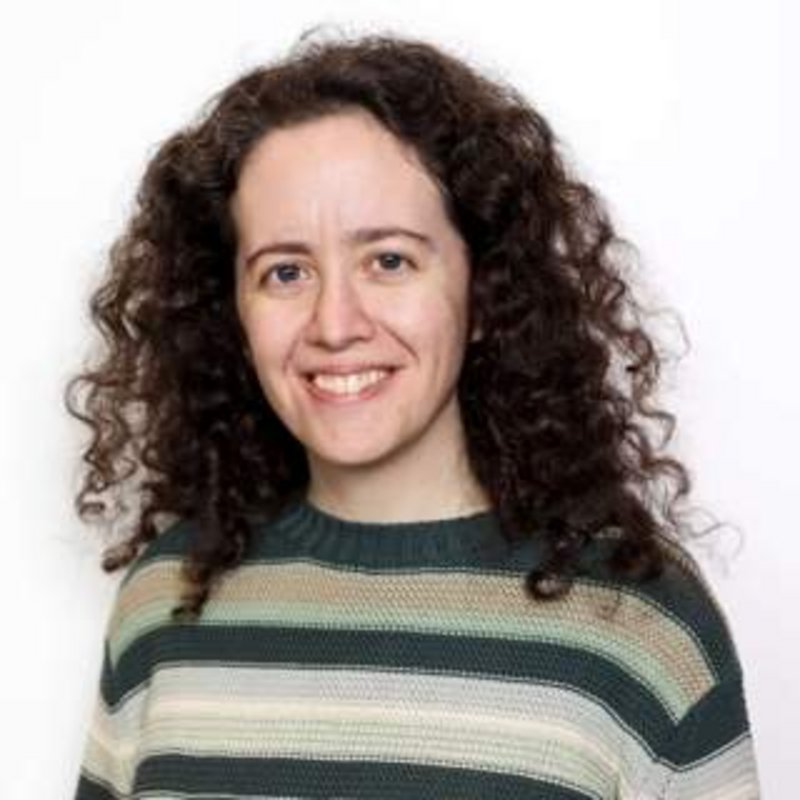
Yudit Namer
I am a clinical psychologist and psychotherapist whose practice is rooted in feminist and relational psychoanalytic traditions. As a mental health researcher, I work on the link between marginalisation and mental health and on universal access to health services, considering technology as a key reducer of access barriers. My main interest is to construct equitable research relationships in which members of historically silenced groups are involved in developing research questions, methods, and forms of knowledge dissemination.
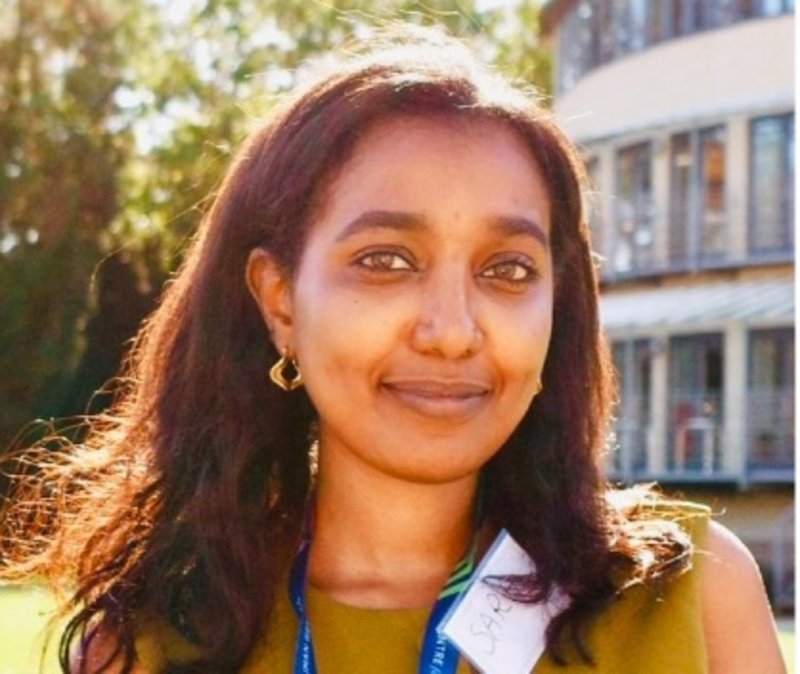
Sara Bashir
Sara Bashir is a pharmacist and global public health researcher with a broad interest in health systems, conflict, displacement, and global health. Her research explores strengthening access to healthcare for conflict-affected populations. She has worked with organisations including the UN World Food Programme (WFP), the German Cancer Research Center (DKFZ), Heidelberg University Hospital, and International Physicians for the Prevention of Nuclear War (IPPNW).
Through her engagement with IPPNW and Medical Peace Work, she has developed a particular interest in the relationship between health, violence prevention, and peacebuilding, including the roles and responsibilities of healthcare professionals in contexts affected by armed conflict.
Sara holds an MSc in International Health from Heidelberg University and is currently completing an MSc in Health Service Improvement and Evaluation at the University of Oxford. Her broader research interests include health systems strengthening, implementation research, cancer prevention and care, and health in fragile and conflict-affected settings. Originally from Sudan, her academic and professional work has reinforced her commitment to understanding and addressing the health consequences of conflict and displacement.
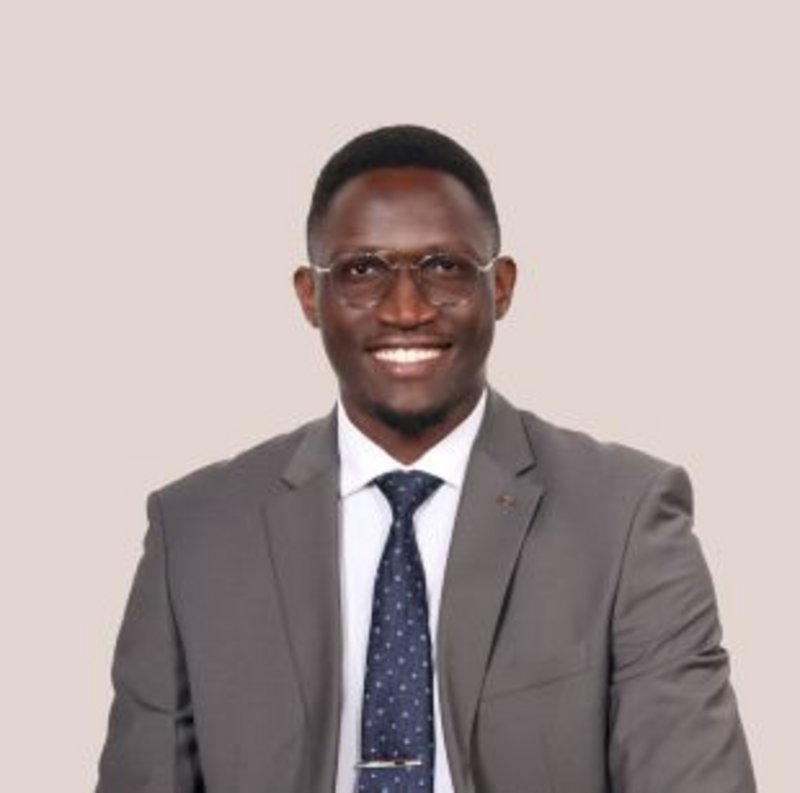
Dennis Opondo
Dr. Dennis O. Opondo is a medical doctor and public health specialist shaping the future of humanitarian health delivery in Africa. He currently serves as a Health Manager at the Kenya Red Cross Society's Kalobeyei Refugee Operation,where he leads transformative, community-centered health interventions for over 80,000 forcefully displaced persons and the host community of Turkana in Kakuma Refugee Camp in Northern Kenya. His work centers on innovating service delivery in Emergency Health & Nutrition, SRMNCH, in fragile and remote contexts, championing refugee-led health models, and driving the integration of non-communicable diseases into frontline care.
Beyond refugee health, Dr. Opondo is a global health leader, climate advocate, and peace activist. He serves as the Regional Vice President, Africa for International Physicians for the Prevention of Nuclear War. Formerly the chair of Association of Physicians for Social Responsibility (APMSR) Kenya, spearheading health, peace, and environmental justice initiatives. Through his advocacy, he has participated in the UN Climate Conferences COP28/COP29, World Health Summit, 2024 UN Civil Society Conferences, championing against the twin existential threat of nuclear weapons and climate change, and the International AIDS Society, where he presented on the impacts of conflict and climate on HIV care and treatment in Kenya.
He is a member of the IPPNW's International Council and Climate Working Group; Dr. Opondo's work spans from the ground realities of Kalobeyei to global platforms calling for nuclear disarmament and health equity. He serves as a member of the Pegasus Emerging Leaders Network. He mentors young professionals through local and international forums, including Medical Peace Work (MPW), Pegasus Institute, McGill's Summer Institute of Global Health, and Global Health Summer School Berlin. He believes in building resilient, localized health systems that thrive—even in crisis.
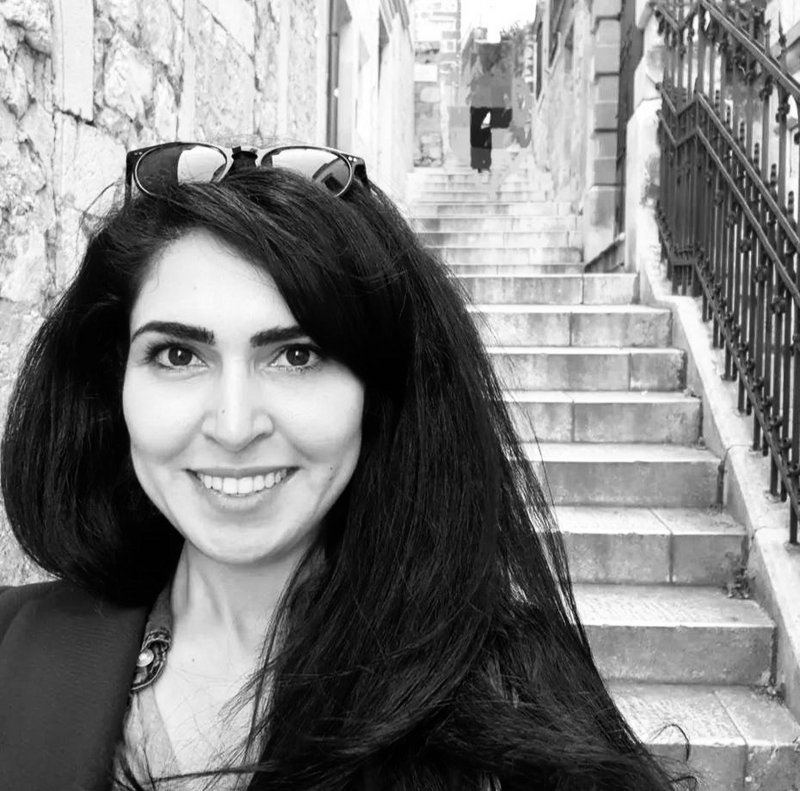
Şermin Güven
Şermin Güven is a cultural and social anthropologist specializing in environmental issues in the Euphrates-Tigris region. As a researcher and regional advisor, her work focuses on water, ecology, floods, droughts, and the political dimensions of crises. She is currently a PhD candidate at the Disaster Research Center of Freie Universität Berlin, researching multi-layered crises triggered by water scarcity and the response strategies of local organizations in Kurdish regions.
Şermin is actively involved in various initiatives, including Ceni – Women’s Office for Peace, Kurd Akad – Kurdish Women’s Academic Association, and serves on the board of the Friedrichshain-Kreuzberg – Dêrik city partnership association, where she co-leads projects on humanitarian crises and secured access to water. She is also a member of the World Youth Parliament for Water (WYPW) and Gender CC – Women for Climate Justice.
In 2024, she co-curated Wasserspiegel / Waterbodies, a community-focused project by the Spore Initiative that explored relationships to water through collective storytelling and public engagement.
Drawing on her experience in academic research, NGOs, and policy advising, she applies creative, community-based methods to raise awareness of water stress and support collective processes of grief and resilience.
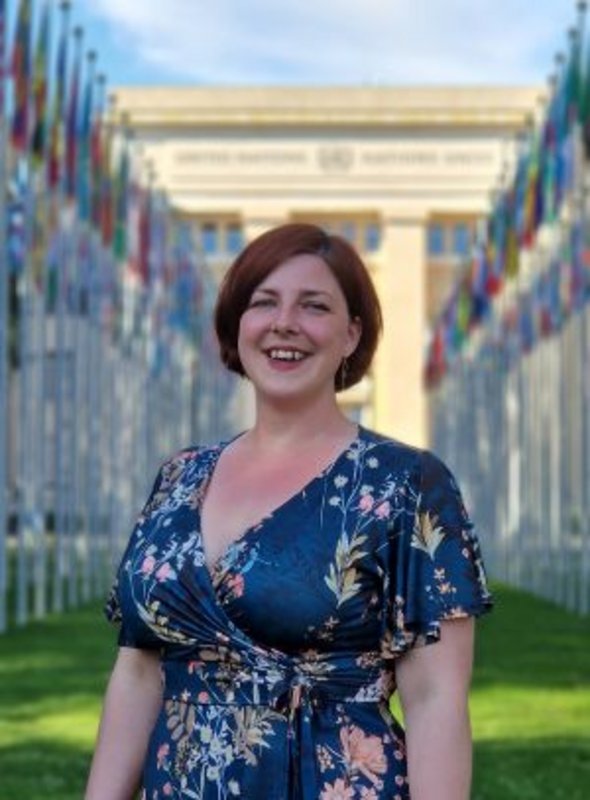
Juliane Hauschulz
Juliane Hauschulz is a political scientist, specialized in peace research and international relations. Since 2019, she advocates for nuclear disarmament with the International Campaign to Abolish Nuclear Weapons (ICAN), where she was initially involved as a student activist and later worked temporarily in the Berlin office. Since 2023, she is the Executive Co-Director of ICAN Germany. She also works for the International Physicians for the Prevention of Nuclear War (IPPNW) Germany since 2023, currently being their nuclear disarmament advisor. Her work focusses on international security politics, the effects of nuclear weapons use and testing as well as intersectional perspectives on the issue and possible pathways to nuclear justice.

Franca Brüggen
Franca Brüggen has been a member of the board of the IPPNW since 2025. She lives in Berlin and works as a resident physician in pediatrics. Since her university years, she has been involved with the IPPNW, working extensively on Medical Peace Work. As the IPPNW’s International Student Representative (2017–2021), she was particularly committed to nuclear disarmament and ICAN (International Campaign to Abolish Nuclear Weapons). After completing her studies, she increasingly focused on healthcare for refugees and worked at the external European border with an organization supporting women refugees. During her time on the board of the IPPNW, she wants to focus on the issues of nuclear weapons, as well as migration & asylum. In addition, she is committed to creating structures that enable more young healthcare workers to actively participate in the organization.
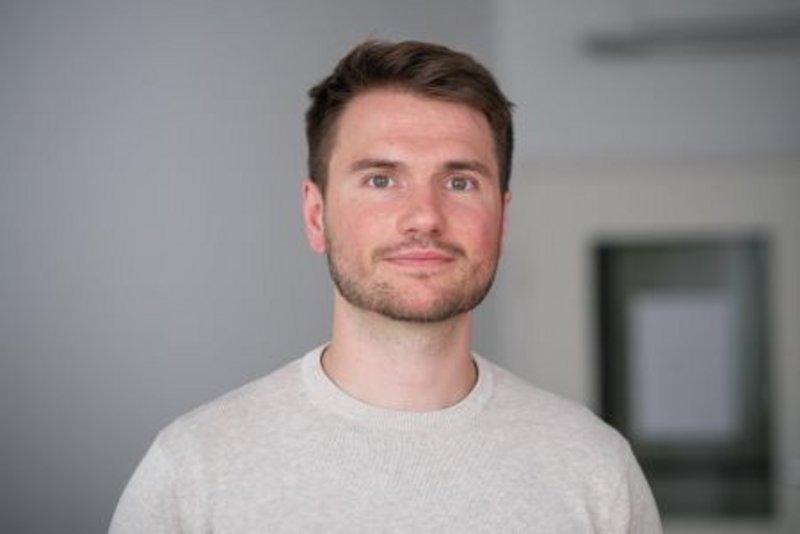
Maik Paap
Maik Paap is a Research Associate and doctoral candidate in the MeDiMi project “Migration and the Humanrightization of ‘Health’: Paradigms, Practices and Conflicts”. He works primarily on discourses of human rights and migration in international organizations, with a focus on state action. Maik Paap studied political science (major) and law (minor) at Leuphana University Lüneburg. He deepened this combined interest in his master's degree in international politics and international law at Christian Albrecht University in Kiel. During his studies, he worked in various associations on topics such as development cooperation (Viva con Agua de St. Pauli e.V.) and migration (Refuge Law Clinic Kiel e.V. and Refugee Law Clinics Deutschland e.V.). His research interests lie in the areas of access to human rights (human right to health) for refugees, human rights discourses in international relations, and the impact of international treaties on domestic state action.
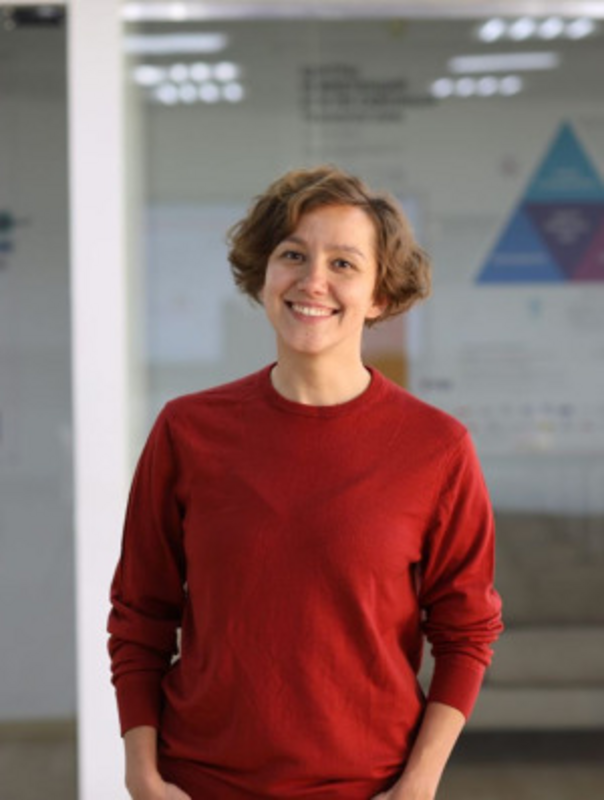
Katrina Menshikova
Performer, facilitator, and psychological consultant, working at the intersection of playback theatre and creative movement.
For over 15 years, she has been creating and facilitating workshops across different countries and cultural contexts, inviting people to discover new ways of seeing themselves and each other. Her work draws on psychology, embodiment, and somatic practices.
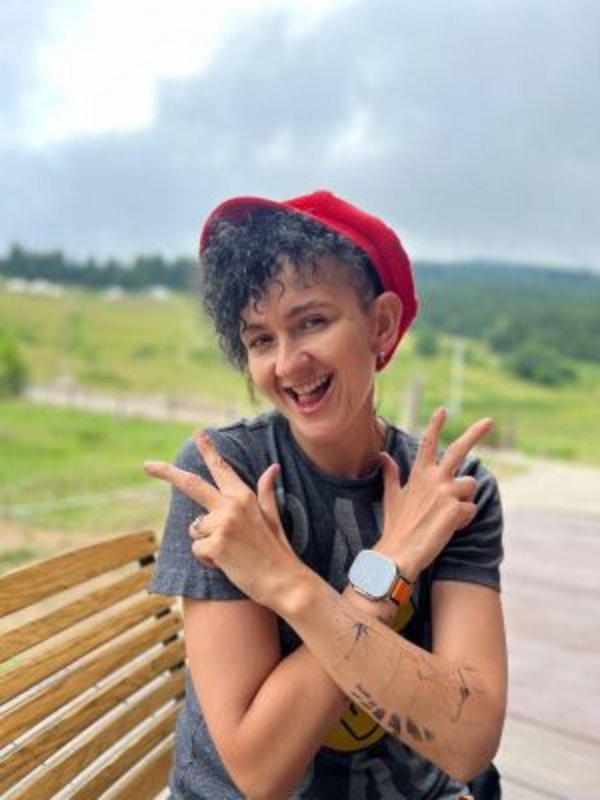
Anastasia Vorobyeva
Performer and activist, former president of the International Playback Theatre Network, and founder of the Air Physical Theater Center. Anastasia has worked on and developed projects with the United Nations (UNDP) in peacebuilding and the arts across Lebanon, Palestine, Nigeria, European countries, and the United States.
Anne Jurema
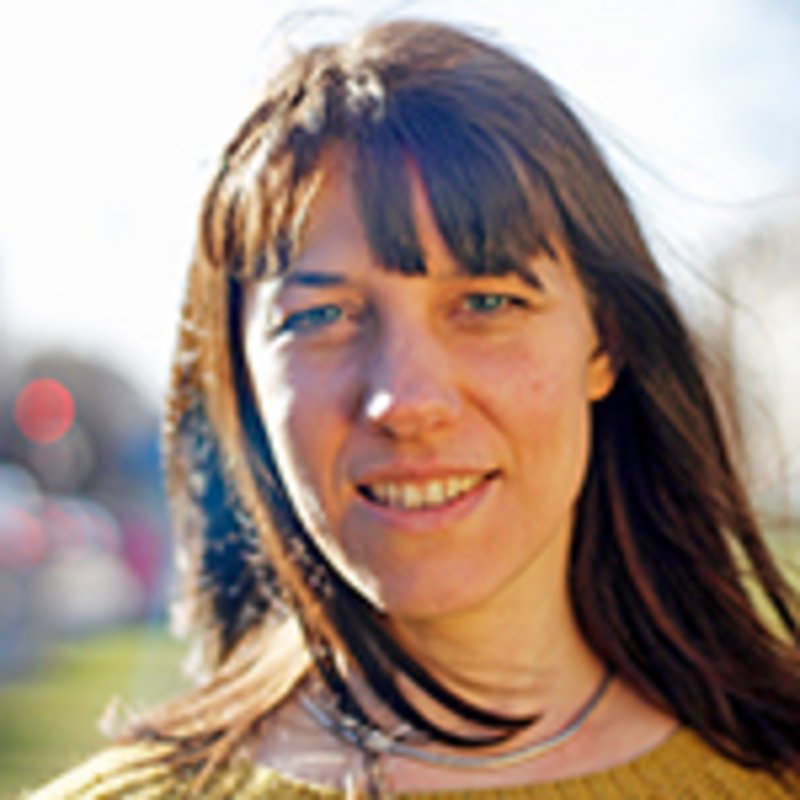
Anne Jurema is sociologist with extensive experience in local peace building, peace education and the intersection of human rights and health. She completed her degree at Free University Berlin with a thesis on memory and repression in Mexico. From 2011 to 2013 she worked as an expert for the ZFD (Civil Peace Service) in Guatemala, supporting local peacebuilding and conflict transformation structures. She is a trained mediator and systemic coach and received training in trauma pedagogy. Since 2015 she has worked as program officer for social responsibility at the German IPPNW office in Berlin. Her work centers around health and human rights of refugees and asylum seekers, global health and peace education for health workers.
Mihir Sharma
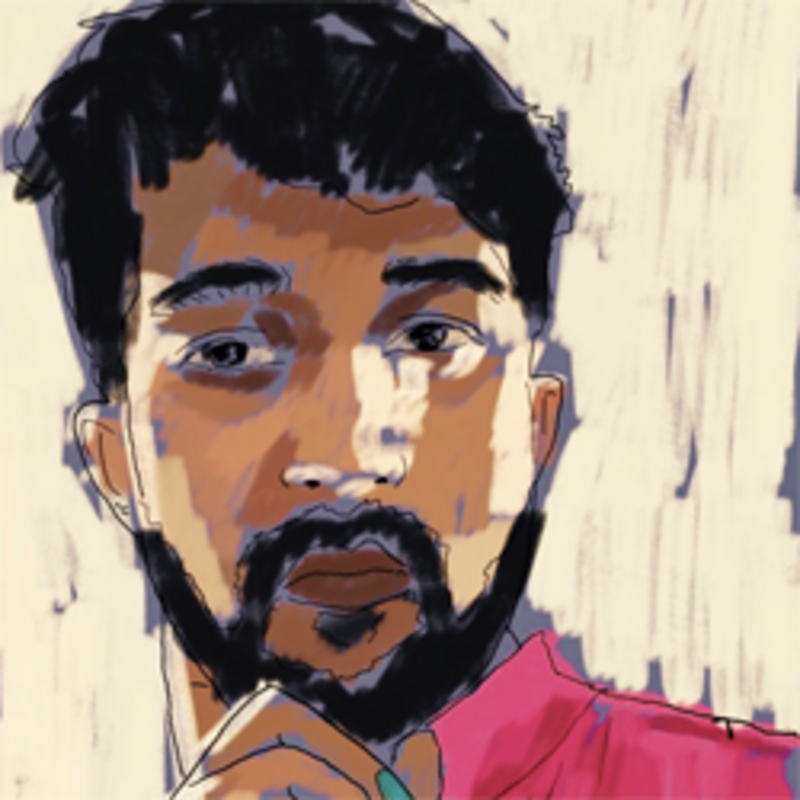
Dr. Mihir Sharma (he/him) is a Researcher in Critical Diversity and Anti-Racism at the University of Bremen, Germany. His research and teaching interests include social movements, anti-racism, race, class, and gender, political economy, time and temporality, activist lives, and environmental justice.
Niklas Jessat
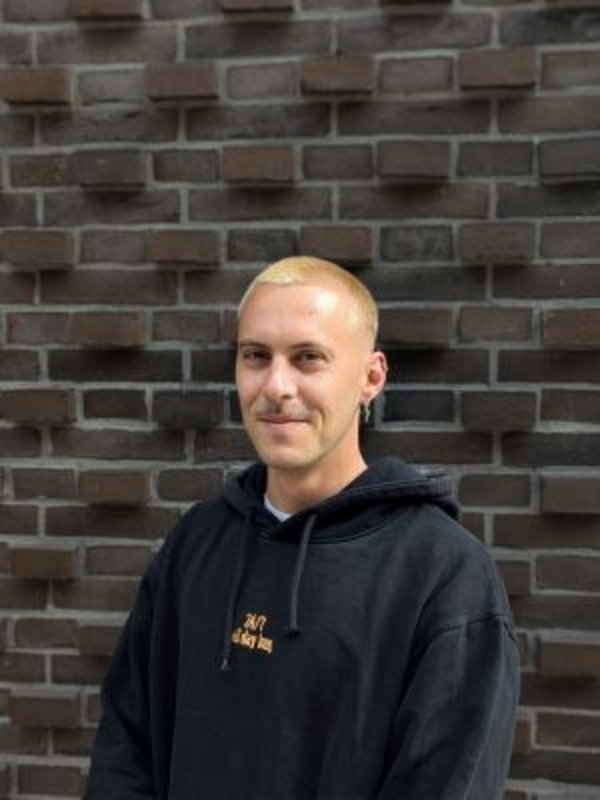
Niklas Jessat (he/him) is currently pursuing a Master’s degree in Transcultural Studies at the University of Bremen. He previously studied Political Science and Communication and Media Studies at the University of Bremen. During his Master’s studies, he has increasingly focused on the connections between colonialism, inequality, and health. In the course “Transcultural Competencies,” taught by Dr. Mihir Sharma, he and Vanessa produced the short film “Ungleich gesund – Warum wir Gesundheit kollektiv denken sollten” (“Unequal Health – Why We Should Think About Health Collectively”). The film explores how social inequalities shape health, looking at both global dynamics and their local manifestations in Bremen.
Vanessa Böse
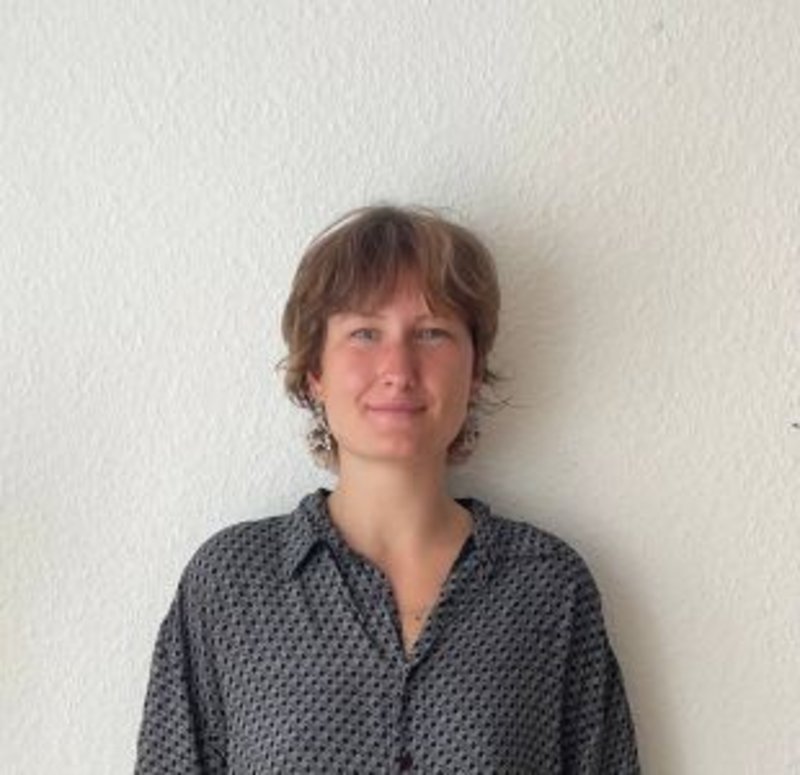
Vanessa Böse (she/none) works in the healthcare sector as a nutritionist, massage therapist and PsyCare. Through her studies, professional experience, and volunteer work, she has developed an interest in the connections between health, participation, and access to healthcare. Her particular interest lies in understanding health not only as an individual matter, but also in its social context, including questions of participation, accessibility, and the factors that shape people’s access to healthcare and opportunities to live healthy lives.